Consistent character AI, explained properly.
What character consistency actually is, why every AI tool struggles with it, the three techniques that work, and how to keep one face intact from the first storyboard frame to the final 4K shot.
Consistent character AI is the ability to render the same character, same face, same build, same style, across many separate generations, scenes, and models, so the character behaves like a cast actor instead of a fresh interpretation of a text prompt.
It is the single capability that separates AI images from AI storytelling. A short film, a YouTube series, a music video, a brand campaign: all of them collapse the moment the audience notices the protagonist's face changed between shots. For a one-off image, consistency is a nice-to-have. Across a 40-shot narrative, it is the whole game.
A·001image
A·003image
A·005image


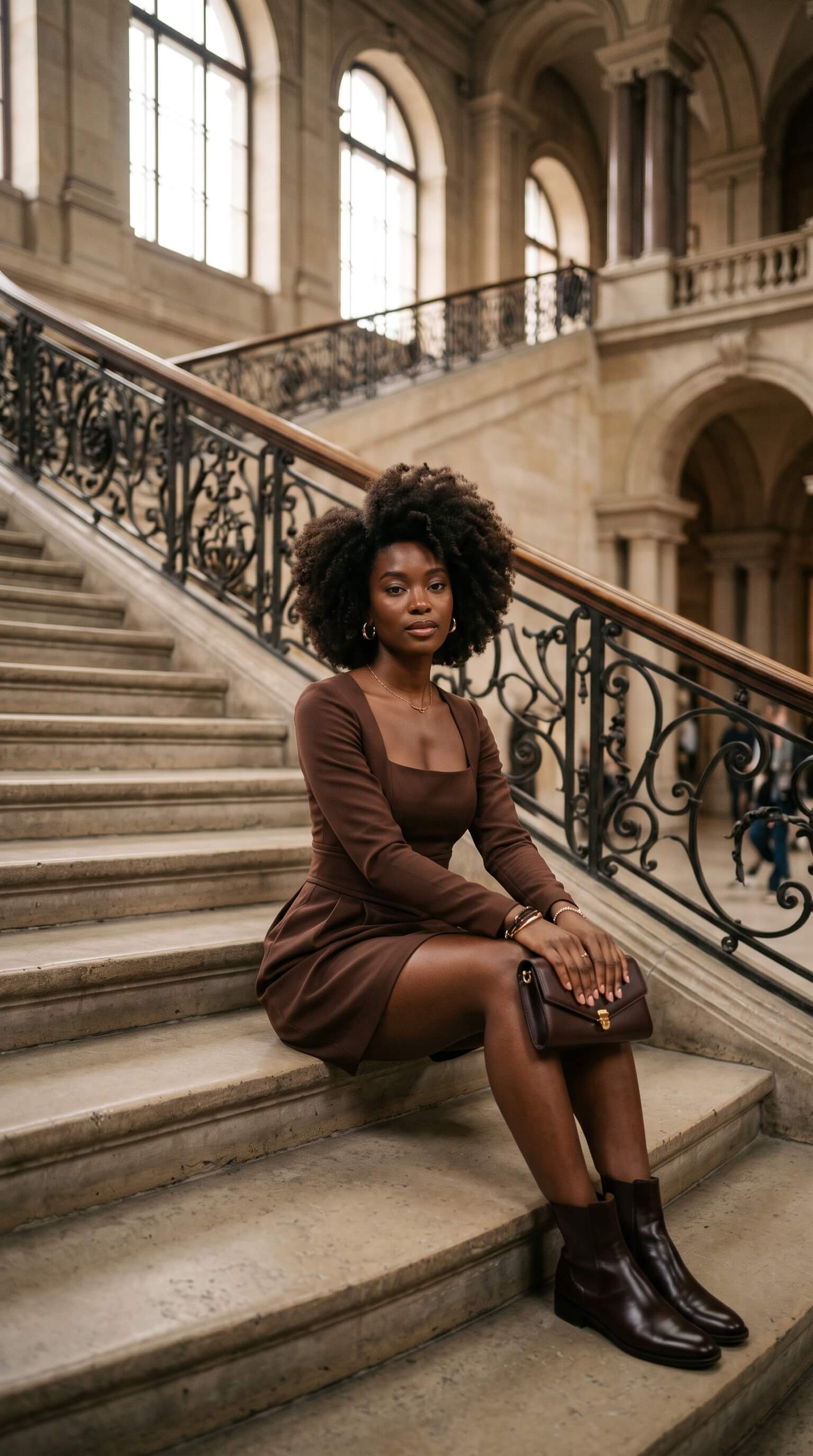
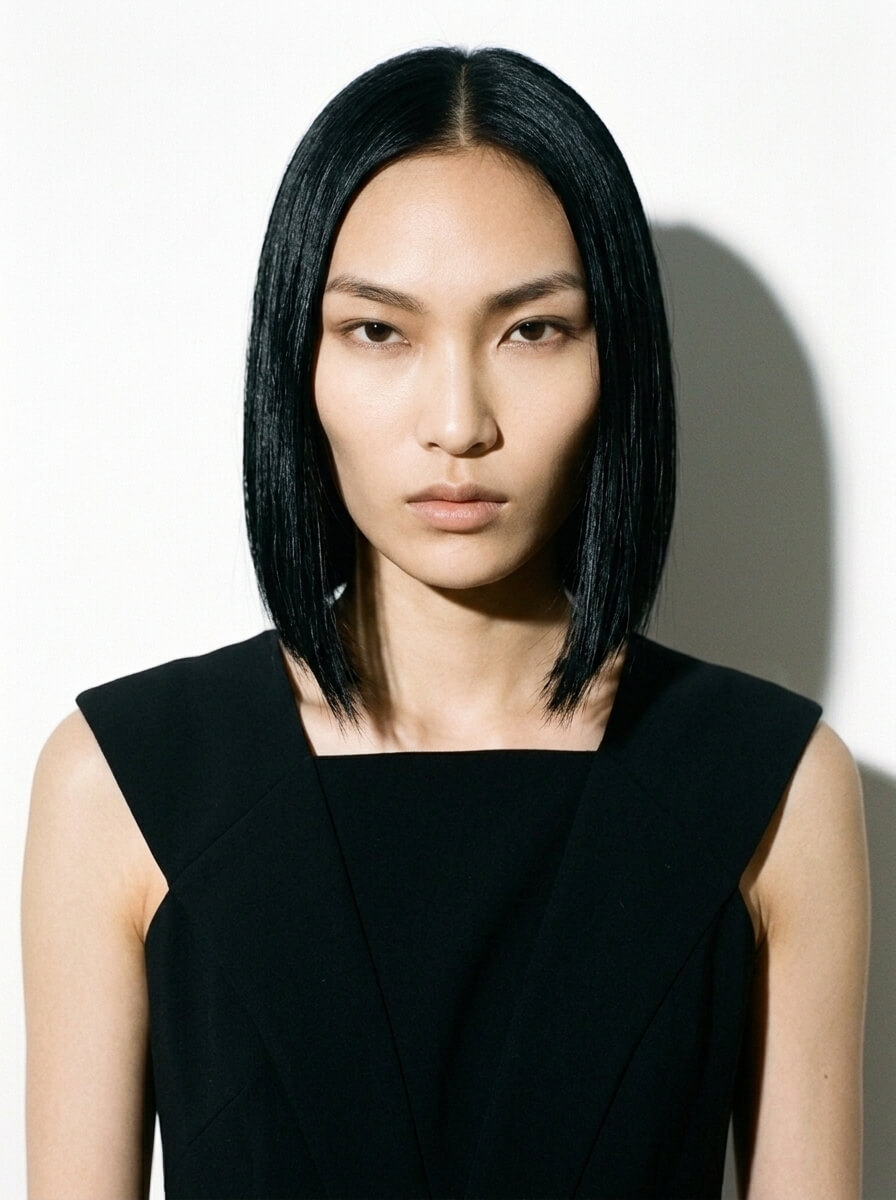
Every frame above is one cast member, generated in FORGR. Drag to scrub the reel.
Every render is a fresh draw from noise.
Generative models do not remember. Each image or clip is sampled from random noise, guided by your prompt. Write "a woman in her thirties with auburn hair and green eyes" twice and you get two different women who both match the description. The prompt constrains the space of possible faces; it never pins down one face. Seeds narrow the randomness but break the moment you change the scene, the aspect ratio, or the model.
The problem compounds across models. Every model has its own visual dialect: Flux renders skin differently than Seedream, Veo lights a face differently than Kling. A character who survives ten generations inside one model can still fall apart the moment your story needs a different engine for a different shot, which real narrative work always does. That is why consistency has to live above the models, as an asset the pipeline carries, not inside any single one.
Three approaches, honestly ranked.
Prompt recipes and seeds
Free and universal: describe the character in exhaustive detail, reuse the wording, lock the seed. It narrows the drift but never closes it, because every model still reinterprets the text. Fine for a one-off pair of images, unusable for a 40-shot story.
Photo-trained digital doubles
Train on 20+ photos of a real person and get a stable digital double. Higgsfield's Soul ID takes this route. It is strong when the character is you, but it needs a real person's photo set and usage rights, and it lives inside one platform's model lineup.
Character-first pipeline
Design the character as an asset: an original face from a parametric generator or a LoRA trained on your own images, then attach it to every generation across models. This is FORGR's approach, and it is the only one that survives switching between image models and video engines.
Cast once. Direct everywhere.
Cast
Create your character in the Character Studio: dial in 30+ parameters for an original face, or train a LoRA on your own image set (800 credits). Either way you get a reusable character asset, not a prompt you have to repeat.
Direct
Attach the character and prompt each scene: new settings, outfits, lighting, camera language. The identity carries through stills for storyboards and into video with Veo 3.1, Kling v3 multi-shot, or Seedance 1.5 Pro.
Continue
Chain shots with reference-aware generation: pass frames between generations so shot 12 still matches shot 1. One credit wallet covers the whole pipeline, and unused credits never expire.
Everything above is included from the $9.99 Starter plan: every model at every resolution, the Character Studio, and LoRA training. Credits never expire, and the exact cost of every generation is published on the how credits work page.
Real FORGR output.
Frequently asked questions.
Cast a character that never breaks.
Claim your free credits, design a face in the Character Studio, and watch it hold across every model.