
Why You Cannot Compare AI Video Credits Between Tools
A credit is an internal currency, not a unit of work. One tool's 1,000 credits might buy four clips and another's might buy forty, so comparing credit allowances between products tells you almost nothing. The only comparison that holds is the price of one finished piece of output, including the attempts it took and whether unused credits survive the month.
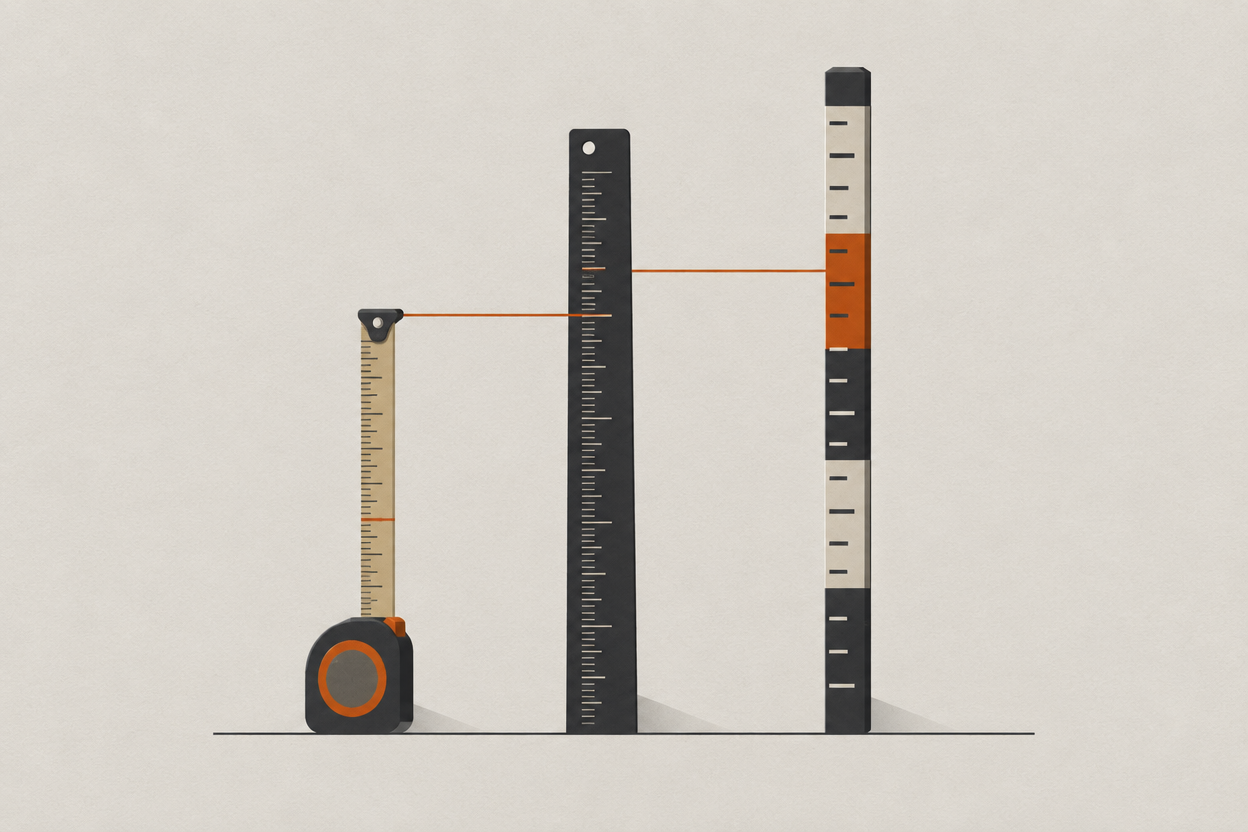
Every AI video tool quotes a monthly credit allowance, and every one of those numbers is measured on a different ruler. It is the pricing equivalent of comparing prices in currencies nobody publishes an exchange rate for.
This is the method for cutting through it. It takes about ten minutes per tool and it will usually change which plan you pick.
What is an AI video credit, actually?
It is a token the vendor invents so the price of a generation can change without the price of a plan changing. It maps to compute cost, not to output, which is why the same number buys wildly different amounts of work in different products.
- Credit
- An internal accounting unit. Vendors set the exchange rate between credits and generations, and can change it without changing the advertised plan price.
- Allowance
- How many credits a plan grants per billing period. The headline number on most pricing pages, and the least comparable one.
- Effective rate
- What one credit actually costs you in money, found by dividing plan price by plan allowance.
- Expiry
- Whether unused credits survive the billing period. A credit you lose at month end was never really a credit.
Some tools do not even use the word. Compute units, generations, and seconds all show up across the category, and a few products mix two systems in one plan. None of that is dishonest, it just makes the headline numbers incomparable.
How do you compare two tools properly?
Pick one exact output spec, price it in each tool, multiply by a realistic attempt count, then adjust for expiry. Four steps, and the ranking you get is usually not the ranking the pricing pages imply.
- 1
Fix one output spec and do not move it
For example: an eight-second clip at 1080p with audio. Resolution, duration, and audio all change the price independently, so a spec that drifts between tools produces a meaningless comparison.
- 2
Price that exact clip in each tool
Convert whatever the tool charges into money, not into its own credits. At FORGR an eight-second Veo 3.1 clip at 1080p is 590 credits, which is about $4.72 at the Starter rate and about $3.35 at the Showrunner rate.
- 3
Multiply by your attempt count
This is the step almost everyone skips and it dominates the result. Three attempts per kept shot triples every number you just calculated.
- 4
Adjust for expiry
If credits reset monthly, work out what fraction you realistically spend. Spending 70 percent of an expiring allowance makes the true rate about 43 percent worse than advertised.

The tool-by-tool version of this comparison, with cheapest paid plan, what is included at entry, Veo access, and credit policy for ten products, is on the AI video generator pricing comparison. It is dated and sourced, which matters because every one of those numbers moves.
What does one credit actually cost?
At FORGR, between about $0.0080 and $0.0057 depending on tier. The rate improves as the plan gets larger, which means the right question is not which plan is cheapest but which plan matches your real monthly volume.
| Plan | Price | Credits | Credits per dollar | Cost per credit |
|---|---|---|---|---|
| Starter | $9.99 | 1,250 | 125 | $0.0080 |
| Director | $24.99 | 3,500 | 140 | $0.0071 |
| Studio | $79.99 | 12,000 | 150 | $0.0067 |
| Showrunner | $199 | 35,000 | 176 | $0.0057 |
Run the same division on any tool you are considering. It takes a minute and it is the only number on a pricing page that means the same thing everywhere.
What does this look like on a real decision?
Price one scene rather than one clip. A six-shot scene at FORGR models out around 2,035 credits, which is roughly $16.26 at the Starter rate and about $11.57 at the Showrunner rate, before you compare that to anything else.
Scenes are the unit people actually produce, and they expose the attempt multiplier that single-clip pricing hides. The full breakdown, including which plan a scene points to, is in budgeting an AI short film by usable shots.
- Fix the spec: six shots, stills approved first, 720p motion.
- Price it: about 2,035 credits at the 7 July 2026 rates.
- Convert: about $16.26 on Starter, about $11.57 on Showrunner.
- Adjust: no expiry adjustment needed here, because the balance carries forward.
- Now repeat those four steps in the other tool, using the same six shots.
Frequently asked questions
What is a credit in AI video tools?
An internal accounting unit the vendor uses to price generations. There is no industry standard, so one tool's credit can be worth many times another's. Convert to money before comparing anything.
Why do AI video tools use credits instead of just charging per video?
Because generation costs vary enormously by model, resolution, duration, and whether audio is included. Credits let a vendor price those differences without publishing a separate plan for every combination.
How do I compare AI video pricing between tools?
Fix one exact output spec, price that spec in money in each tool, multiply by a realistic attempt count, then adjust for whether unused credits expire. Allowance-versus-allowance comparisons are not meaningful.
Do AI video credits expire?
It depends entirely on the tool, and it is the line item that changes a comparison most. FORGR credits never expire: subscription grants and top-ups accumulate, roll over, and survive cancellation. Several competing products reset unused credits at the end of each billing period.
What does one FORGR credit cost?
About $0.0080 on Starter and about $0.0057 on Showrunner, before the roughly 17 percent annual billing discount. The rate improves with plan size because larger plans grant proportionally more credits.
Is a cheaper monthly plan always cheaper overall?
No. A low headline price with a small allowance, expiring credits, or a poor hit rate can easily cost more per finished shot than a larger plan. Price the output, not the subscription.
Ten tools, one table, dated
Cheapest paid plan, what is included at entry, Veo access, and credit policy across ten AI video tools, with every figure sourced and dated.
Compare AI video pricing